
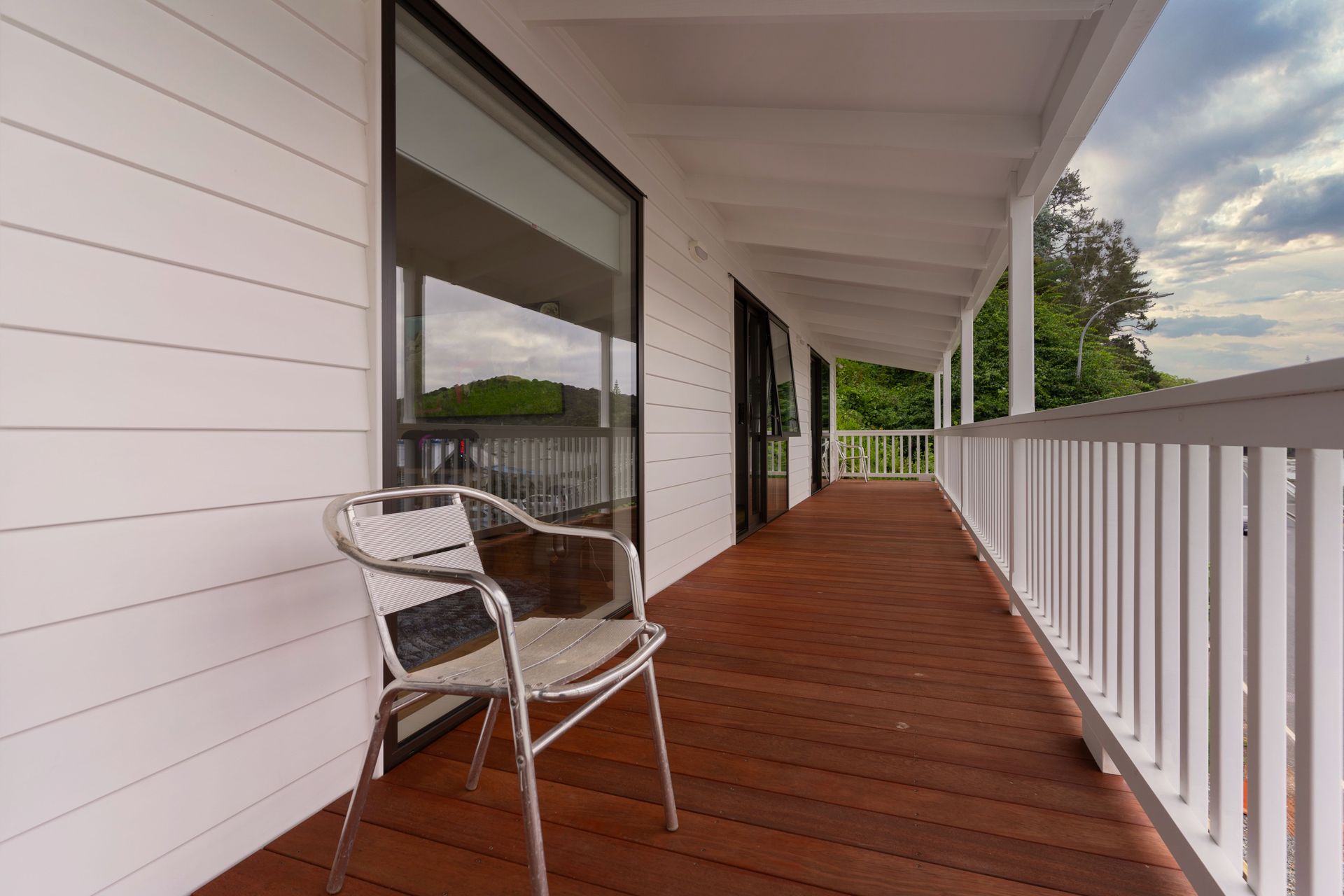
Structural Repairs That Address Load-Bearing Integrity
Deck & Porch Repair in Brandon for homeowners noticing sagging joists, rotted boards, or fasteners pulling loose
Wood rot concentrated near ledger boards, joists that deflect visibly under foot traffic, and deck boards that spring or crack underfoot indicate structural degradation that compromises safety and accelerates further damage if left unaddressed. Logan's Landscapes and Construction, LLC repairs residential decks and porches across Brandon, Clinton, Byram, and surrounding areas, drawing on hardscaping and construction experience to assess load-bearing components and identify failure points that require more than surface-level board replacement. Mississippi's climate—high humidity, termite activity, and freeze-thaw stress on fasteners—creates conditions where decks and porches deteriorate faster than in drier or more temperate regions, making structural inspection essential before repair work begins.
Deck and porch repair involves inspecting structural joists for rot or insect damage, evaluating ledger board attachment to ensure it remains secured to the building, replacing damaged boards and fasteners, and assessing post-to-beam connections for movement or deterioration. Joist repair includes sistering new lumber alongside damaged sections or replacing joists entirely when rot has compromised load capacity. Board replacement addresses surface damage while fastener reinforcement prevents squeaking and movement. Post-to-ledger assessment confirms that the deck remains anchored to the structure properly, a critical safety concern for elevated decks.
Request a structural inspection to identify which components need repair and receive detailed recommendations for restoring deck or porch integrity..
What Changes After Structural Deck Repairs Are Completed
Structural repairs begin below the visible surface, addressing joists, beams, and connectors that carry weight and transfer loads to the foundation. Joists showing soft spots or visible rot are reinforced or replaced, restoring their ability to support decking without deflection. Ledger boards are reattached with lag bolts or structural screws driven into solid framing, eliminating movement between the deck and the building. Fasteners are upgraded to corrosion-resistant hardware that maintains grip as wood expands and contracts seasonally.
Once repairs are complete, you'll notice deck boards that feel solid underfoot without bounce or flex, railings that no longer wobble, and stairs that don't shift or creak during use. The deck supports furniture and foot traffic as originally designed, and visible rot or damage no longer threatens further deterioration. Surface boards sit level and secure, and fasteners remain flush without backing out over time.
Termite damage and wood rot represent common failure modes in the Jackson metro area, where moisture exposure and insect pressure affect untreated lumber and improperly flashed ledger connections. Repair work includes treating affected areas and replacing damaged material with pressure-treated lumber rated for ground contact or high-moisture environments, reducing the likelihood of recurrence..
What Property Owners Usually Ask
Homeowners noticing deck problems in Brandon and neighboring communities typically want to know whether repairs can restore safety and appearance or whether full replacement is necessary.
Logan's Landscapes and Construction, LLC integrates deck and porch repair into its hardscaping and construction service line, ensuring structural work meets load-bearing standards and addresses underlying causes of failure. Reach Logan's Landscapes directly at (601) 941-3511 to schedule a deck inspection and discuss repair options tailored to your structure's condition.
How do you know if joists need replacement or can be reinforced?
Joists showing surface rot but maintaining structural integrity can be sistered with new lumber, while joists with rot extending more than halfway through the cross-section require full replacement to restore load capacity.
What causes deck boards to rot faster in some areas than others?
Boards exposed to standing water, shaded by vegetation, or in contact with soil deteriorate faster than boards with good airflow and drainage, with rot often concentrated near planters, under gutters, or along the perimeter.
Can deck repairs fix bounce or sagging in the structure?
Yes, bounce typically results from undersized or deteriorated joists, inadequate blocking between joists, or loose ledger attachment, all of which are correctable through structural reinforcement or component replacement.
How long do deck repairs last compared to new construction?
Repairs using treated lumber, proper fasteners, and structural connectors perform as well as original construction, with longevity depending on ongoing maintenance like staining and ensuring drainage remains effective.
Should I repair or replace an old deck?
Repair is cost-effective when framing remains sound and only surface boards or isolated joists need work, while replacement makes more sense when multiple structural components have failed or when the deck no longer meets current building codes for load capacity and railing height.