
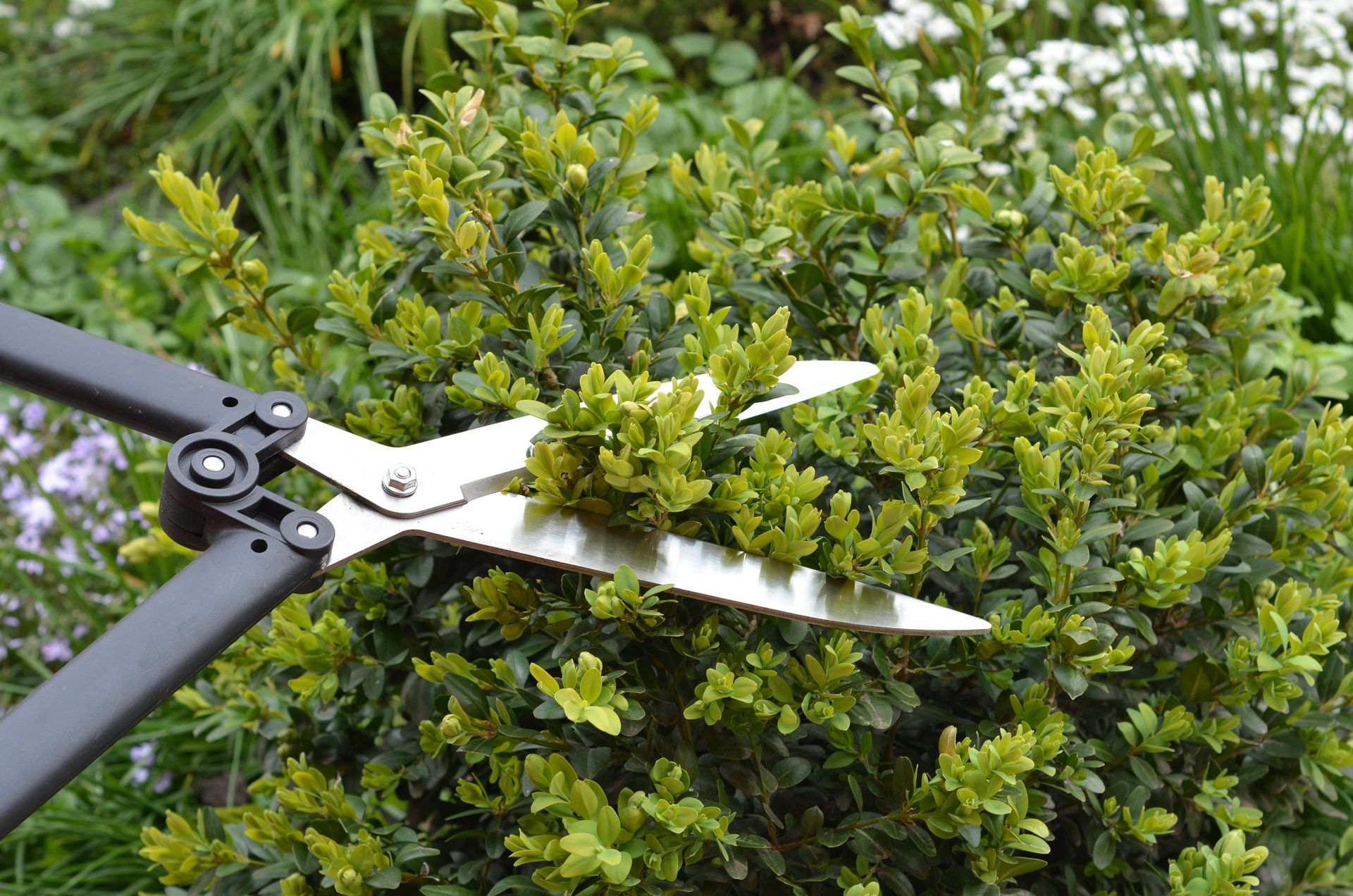
Cuts Shaped to Support Plant Health
Shrub Trimming in Brandon for residential and commercial properties needing strategic pruning that protects long-term plant establishment
Spring heat and humidity in Mississippi create rapid shrub growth that, if trimmed incorrectly, stresses plants and disrupts their natural form or flowering cycles. Logan's Landscapes and Construction, LLC provides expert shrub trimming and pruning across Brandon, Ridgeland, Madison, and surrounding Jackson metro suburbs, with hand-trimming techniques that maintain plant shape and health rather than simply cutting everything to uniform height. Plant species are assessed before any cuts are made to ensure pruning timing and technique align with growth patterns, and the service coordinates with broader design plans when part of a larger landscaping project to ensure continuity.
The approach differs from quick-cut crews that trim all shrubs the same way regardless of species, which often removes flower buds, creates unnatural shapes, or exposes interior branches that weren't hardened for sun exposure. Hand-trimming allows for selective cuts that remove deadwood, thin dense growth for air circulation, and shape plants to their natural form while controlling size. This knowledge-based technique protects the long-term investment in established plantings rather than degrading them over time.
Request a shrub assessment to identify trimming needs and optimal timing based on your current plantings.
What Proper Pruning Technique Accomplishes
Trimming begins with identifying each shrub species, which determines whether cuts should be made before or after flowering, how much growth can be removed without shocking the plant, and which branches should be thinned to improve structure. Hand tools allow for precise cuts at branch collars that heal cleanly, rather than tearing tissue or leaving stubs that invite disease. Timing is coordinated with seasonal growth cycles—spring-blooming shrubs are trimmed after flowering, while summer-blooming varieties are cut in late winter to encourage new growth.
After trimming, your shrubs maintain their natural shape with improved density and health rather than looking sheared or boxy. You'll notice better flowering on varieties that bloom, since cuts were timed to preserve bud formation rather than removing next season's flowers. Interior branches receive more light and air circulation, which reduces fungal issues common in Mississippi's humid conditions and prevents the dead interior buildup that occurs when shrubs are never thinned.
The service also identifies shrubs that have outgrown their location or were planted too close to structures, which allows for decision points about whether to continue managing size through frequent trimming or relocate plants to more appropriate spaces. This prevents the ongoing cost of fighting a plant's natural growth habit when a one-time relocation would solve the problem permanently..
Answers to Frequent Pruning Questions
Shrub trimming decisions depend on plant species, growth stage, and the outcomes you're trying to achieve with each round of pruning.
Logan's Landscapes and Construction, LLC applies plant-specific knowledge to every trimming project to protect your landscape investment and support long-term plant health. Schedule a consultation to review your property's shrubs and establish a pruning plan suited to each species.
How does species knowledge affect trimming quality?
Different shrubs bloom at different times—spring-blooming varieties like azaleas set buds in summer, so late-season trimming removes next year's flowers, while summer-blooming shrubs like crape myrtles can be cut in late winter without affecting bloom.
What time of year is best for shrub trimming in Brandon?
Timing depends on species—spring-blooming shrubs are trimmed immediately after flowering, summer-blooming shrubs are cut in late winter, and evergreens can be shaped in early summer once new growth hardens off.
Why does hand-trimming cost more than machine shearing?
Hand-trimming takes longer because each cut is made selectively to maintain plant health and natural form, while machine shearing cuts everything uniformly and often damages branch structure or removes flower buds indiscriminately.
What happens if shrubs are trimmed at the wrong time?
Improper timing can remove an entire season's flower buds, force excessive regrowth that wastes the plant's energy, or expose interior branches to sunburn when they haven't been gradually hardened to direct light.
How often do shrubs need trimming to maintain size and shape?
Most shrubs benefit from annual pruning, though fast-growing species or those planted in tight spaces may require two sessions per year, while slow-growing varieties can go multiple years with only minor shaping.